
As many in my direct circle know, I read quite some news. I try to mention at least once per day that I read something in the news, casually, in a conversation. And since commentary and reviewing is something else I like to do, I thought of starting a series where I write my thoughts about an article I read. A lot of them will be related to China, since that is one of the topics I follow most closely.
Africa’s Donkeys Are Coveted by China. Can the Continent Protect Them?
New York Times
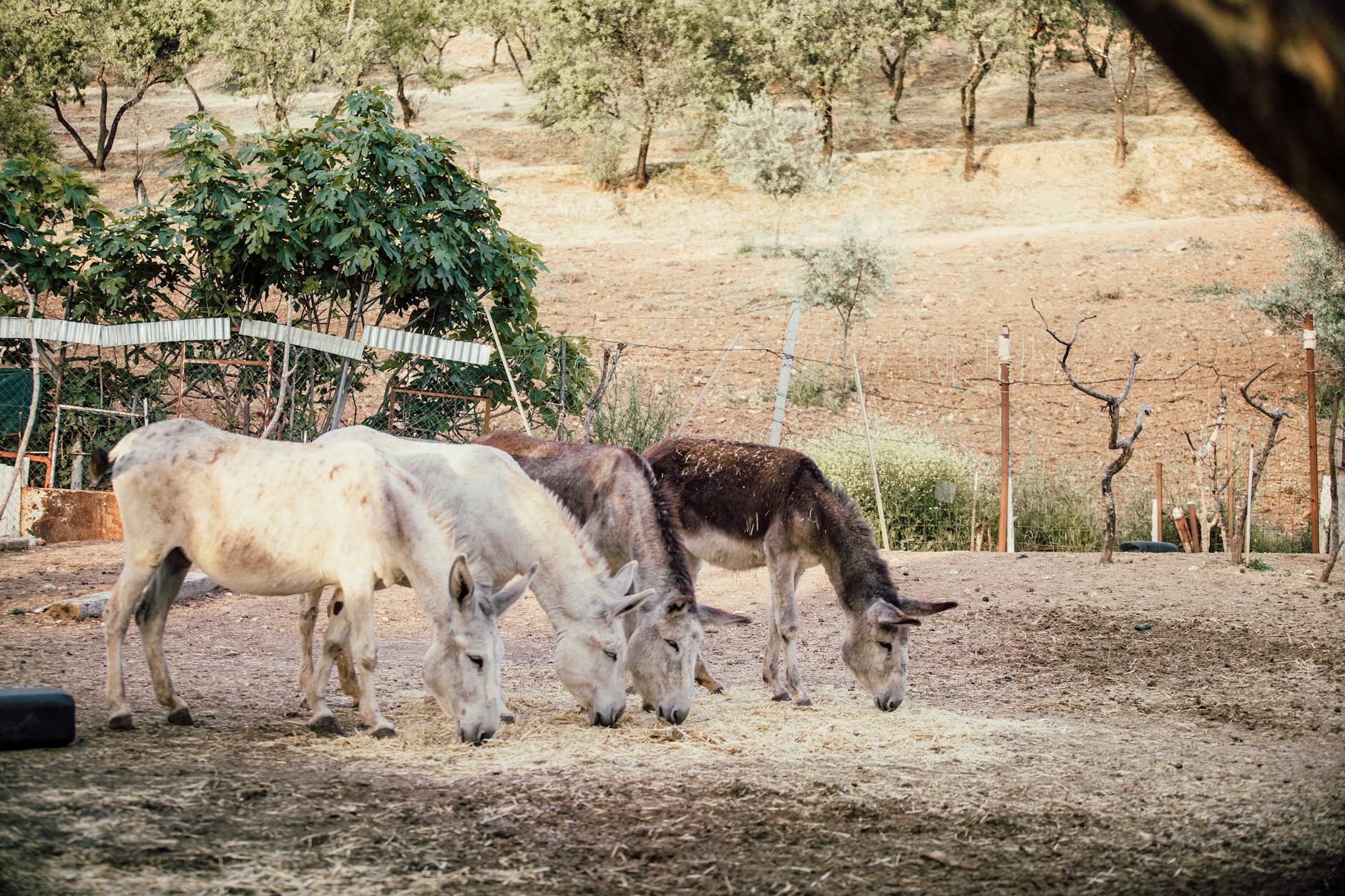
I am a big fan of donkeys. When I was little, we would go on ‘donkey holidays’ which meant spending two weeks hiking through France with some donkeys to carry our luggage. At that time I was still small enough to also be allowed to ride the donkeys from time to time.
Unsurprisingly I was a horse girl during middle and high school, but donkeys have a different atmosphere. Their big ears, small hoofs and stumbling gait endears them in a way that is distinctly different from horses. It also helps that they are pack animal and you will most often see them with an inordinate amount of stuff on their backs while seemingly carrying it without any complaining.
Thus, it really surprised me to read that donkeys are an ingredient used in Traditional Chinese Medicine (TCM). Generally, I have heard more about the exotic things they need to heal anything wrong with the body. From deer antlers to pangolin scales, let alone the range of plants that could be needed.
Similar to many other TCM ingredients that are touted as absolutely vital to heal certain ailments, it is interesting to think how much these consist of ‘standard’ natural materials such as keratin and collagen. I have bitten my nails for decades, I am not sure if that made me much healthier than I would have been otherwise.
What really suprised me, was the fact that donkeys cannot reproduce or breed easily. This sent me on a quick Google search, which after the decently informative but slightly too activist Donkey Sanctuary website, led me to the American Association of Equine Practicers website which states in its opening paragraph “Donkey medicine can be fun and rewarding and a break from routine equine practice.”
My two main random fun facts on donkey reproduction that I learned were the following. A female donkey is called a Jenny, a male is called a Jack or jackass. It would be quite funny to do this in Dutch as well. That we do not only talk about Jut and Jul as the standard Dutch people, but that they also refer to a bull and cow? What fun!
Donkeys are pregnant for a long, long, long time. Between 372-374 days. In my ears, having heard plenty of pregnancy tales in the past years, that sounds terrible. More than a year in this state, is awful. No wonder donkeys do not breed that easily. No fun, but it is a fun fact.


Ooohhh you should come to Ethiopia! Donker Paradise here 🙂 They’re so cute too, many colors and types of furrr! Had no idea they are pregnant for more than a year, that indeed sounds terrifying… poor donkeys. Donkey meat also seems popular here in the local China town… wouldn’t be surprised i they cook one half and use the other for traditional medicine though. We used to care for one in the “ Kinderboerderij” when I was little…. I completely understand how you can find them cute ❤ I love your posts! they trigger so many memories!
LikeLiked by 1 person