The Scoreboard: The Twelve Kingdoms

As everybody else on this planet, I have an opinion. As many people do too, I like to write about it. Share it generously. And I am excellent at keeping score (mentally), so I will try tallying up my fondness of things according to balance.

The Twelve Kingdoms

As much as I like epic stories, I tend to not always have the patience for them. I prefer to know there’s an end, that I’m not left wanting more when I don’t know it’s available or going to come at all. This is why I tend not to watch longer anime series. However, I may make an exception if they’re already finished and highly rated.

Additionally, a period of sickness may allow me to breeze through the episodes as the binge watching that I generally abhor. But I must confess after finishing The Twelve Kingdoms that I do think parts of it are best consumed at once.

Stories about normal, possibly unhappy, people getting transported to a fantasy world where they have to grapple with new purpose and responsibilities have become really popular in anime over the past 15 years. Called isekai in Japanese, literally meaning different world, it’s a genre that I’m slightly hesitant about. Of course, nothing is more attractive than a premise that any of us may one day be swept away and turn out to be destined for something bigger than we could have ever imagined, but I can tend to struggle with these stories if I cannot sufficiently sympathize with the main character on its new journey.

And I did have some trepidation after the first few episodes if Nakajima Youko would be bearable as a heroine. She’s a serious, smart but also very obedient high school student who is suddenly attacked and then transported to another world with Twelve Kingdoms, based on ancient China. She accidentally involves two classmates as well in her adventure, one who’s always had a dream she would be a ‘chosen one’ and another who’d much rather return to his comfortable life alone. Youko meanwhile learns to stand up for herself, face fears and difficult choices, and quickly enough becomes a heroine you can actually root for.

The series seems to have adapted most of the main storylines contained in the original light novels. This means there’s basically 4 different parts with partly overlapping characters, but mainly independent storylines. The parts about Youko take up the bulk of the series. The beginning which shows all of her trials and the revelation that she’s a queen of one of the kingdoms, and a middle section which shows her quelling an uprising shortly after ascending the throne. The other parts are much shorter and deal with other rulers.

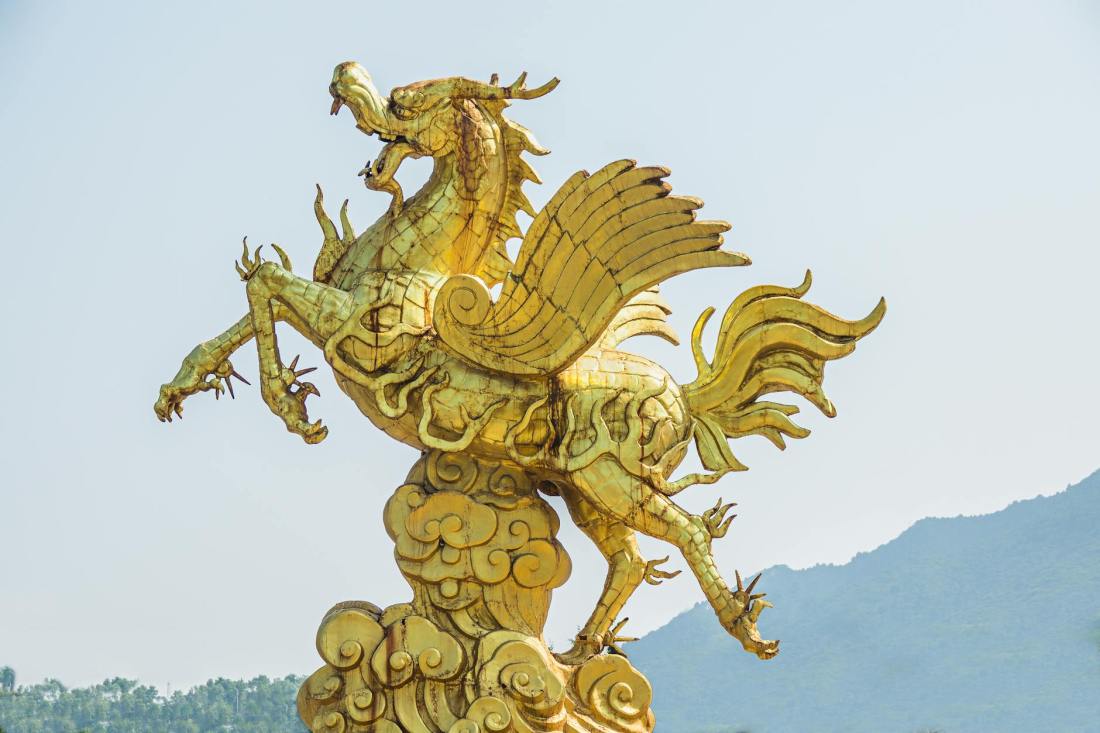
The world of The Twelve Kingdoms is rich and dense. It’s clearly based on ancient Chinese civilization, although the writing is not all existing Chinese characters, with a highly stratified hierarchy and a Heaven that decides it all. Rulers of the kingdoms are chosen by auspicious, mythical creatures called kirin. If a ruler starts to enact policies that are not beneficial to its kingdom, the kirin will get sick and eventually die, leading to the death of the ruler as well. Then a new kirin will be born who will choose a new ruler.

It’s a bit of a pity that the kirin look more like a dog-unicorn hybrid than the legendary hooved chimerical creature it actually is with a dragon’s head. But the show has a nice, albeit dated, look to it and clearly depicts the different kingdoms. Instead of being all about grandiose battles and adventures, the series is mostly interested in political scheming and human interactions. This sets it apart from many other entries in the genre and makes for an interesting perspective on the world, although it does move at an uneven pace sometimes.

It also feels like the story could have benefitted from some more room to breathe, especially the two shorter parts of which one just ends without any resolution. It seems that the continuation of that story happened long after the series was finished and the cop-out was unintended, but it’s still quite frustrating.

All the same, The Twelve Kingdoms sweeps you off of your feet to a different world and time, offering a rich and immersive experience. I rate it, not as deadly as becoming a courtesane to the royal court and much more enjoyable to watch.
A Taste of News: Panda diplomacy ‘panda-monium’

As many in my direct circle know, I read quite some news. I try to mention at least once per day that I read something in the news, casually, in a conversation. And since commentary and reviewing is something else I like to do, I thought of starting a series where I write my thoughts about an article I read. A lot of them will be related to China, since that is one of the topics I follow most closely.

Panda Diplomacy Might Not Be Dead Just Yet

New York Times

While working at the embassy a couple of years ago, the Netherlands had the great luck to be receiving the first pandas ever from the Chinese government. Now I do not have a lot of love for zoos, and I also do not have a lot of love for pandas.

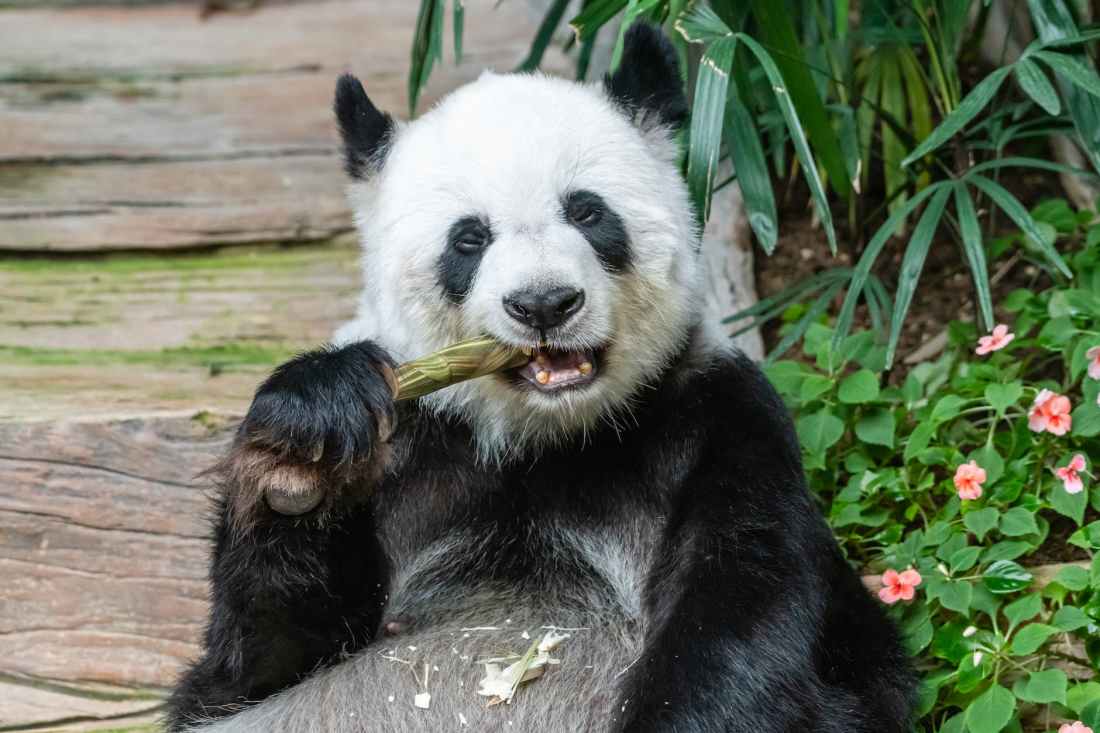
I find it somewhat baffling that China took the panda, an animal that eats bamboo because it is too lazy to hunt, as its national animal. I also remember seeing pandas 15 years ago and the small ones had some attractiveness because they also move around a lot and seem like regular cubs being cute while doing dumb stuff. However, the adult pandas really reminded me of the adult couch potato. Especially since they just collected the bamboo remains on their chest.

A quick Google search on why the panda is China’s national animal turns up something about it being a symbol for peace and friendship, perhaps because they also have dificulty mating, and the black and white representing Yin and Yang. This sounds like something a consultancy company would write, and there is possibly some truth to it, but it also sounds quite questionable.

So the fact that this animal is not only beloved in and outside of China but also useful for actual diplomacy amazes me. I remember being sceptical when the Dutch pandas were arriving in this newly built enclosure, that also won a prize for being the most beautiful animal enclosure even if it mainly resembled a Chinese temple, and supposed to bring in all this new business. And a while later I read an article vindicating my suspicion that the Dutch are not brought to the east of our country that easily, although the zoo director still defended his decision to bring the pandas to the Netherlands.

Besides the fact that pandas need highly expert care, the other thing that surprises me does not scare people away, is that they are leased. Cubs and the pandas are to return to China, as the article mentions is happening to the US pandas. I guess in one way or the other, pandas are a bigger attraction on that side of the world, maybe because they are more connected to larger wildlife or simply because there are more people for the amount of pandas available.

I think it shows how effective some aspects of Chinese politics are at blending official and informal matters. How suddenly the Chinese Communist Party can influence your enjoyment of your zoo visit.

Opvoeden doe je samen

Okee in Nederland hebben we een zorgmaatschappij. Dat betekent dat we voor elkaar zorgen en dat de overheid ook een duit in het zakje doet. Nederlanders in het buitenland met visumproblemen helpen, zorgen dat iedereen naar school kan of een toegankelijk gezondheidssysteem.

In China doet de overheid ook duiten in het zakje. Sterker nog, het zakje, de duiten en de hand die ze erin doet zijn ongetwijfeld allen eraan gelieerd. Economie, kunst of religie heeft allemaal een politieke component hier. Maar ook in het dagelijks leven kom je de overheid geregeld tegen. Spandoeken met motiverende teksten, borden met waarschuwingen of de minilegers aan bewakers, politie en soldaten die overal rondlopen.

En iedereen doet mee, beroemd of niet. Ik heb op dit moment geen televisie, maar toen ik nog wel eens tv keek, kwamen regelmatig opvoedkundige reclames voorbij. Een dame die kanker overleeft en er weer bovenop komt dankzij de blije, invoelende vrijwilligers. Kinderen die alleen maar grijze tekeningen maken van hun omgeving door alle vervuiling om hen heen. Maar alles wordt op magische wijze opgelost. Door gehoorzame burgers, vreedzaam beleid met dank aan de overheid.

Recentelijk zijn ze ook begonnen met het afspelen van korte clips in de bioscoop voor de film. Er worden sowieso zeilen bijgezet om iedereen in het gareel te krijgen als er belangrijke zaken aankomen. Partijcongressen, machtswisselingen of interne spanningen bijvoorbeeld. Kosten noch moeite worden gespaard om iedereen mee te krijgen. Internationale Chinese beroemdheden mogen de partijboodschap verkondigen, meneer Xi is ineens in de kleinste dorpjes te vinden en je VPN is ineens supertraag.

Op een licht anarchistische buitenlander zoals mezelf, werkt dit behoorlijk op de lachspieren. In Nederland werken de partijspotjes al voor geen ene moer. Politici die ineens bereikbaar lijken, samen naar een betere wereld toewerken. Natuurlijk moeten we dat doen en een beetje samenwerking met de overheid kan geen kwaad. Maar opvoeden, daar hebben mijn ouders al genoeg tijd aan besteed. Daar heb ik de overheid nou net niet voor nodig.

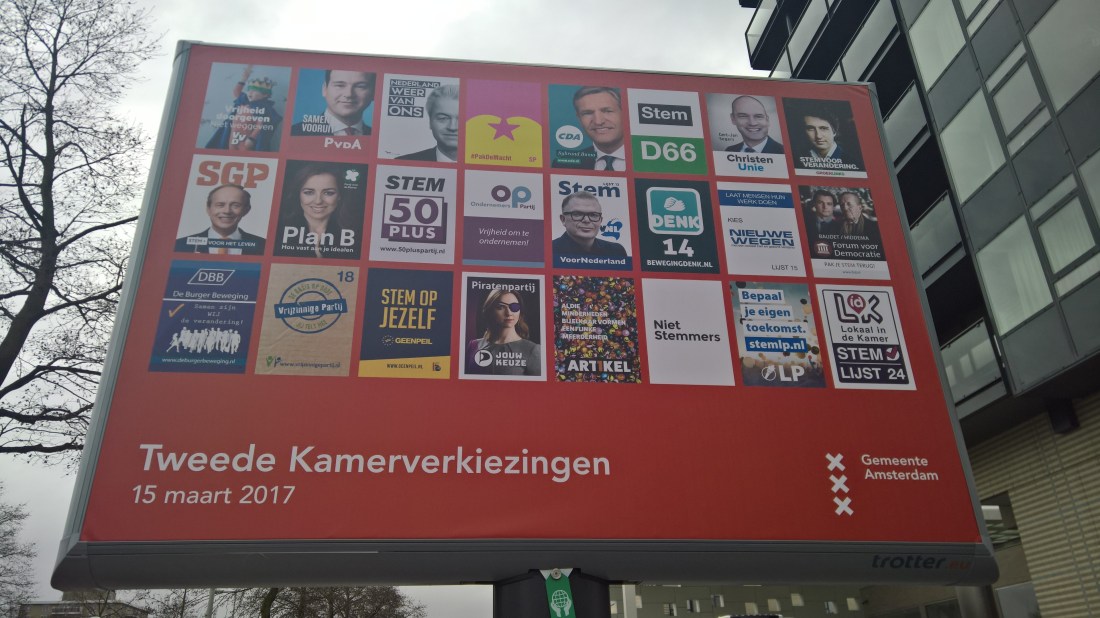
Ik verkies jou!

Ja, het is zover. De Tweede Kamer Verkiezingen vinden vandaag plaats in Nederland. Dit is het moment voor de burgers, om je plicht en recht te vervullen en te gaan stemmen. Okee, behalve als je braaf volgens de procedure je hebt geregistreerd maar niet je stembewijs en biljet hebt gekregen. Dan mág je niet eens je ding doen.

Tot een jaar of 2,3 geleden, was ik maar minimaal geïnteresseerd in de politiek. Ik heb wel in de verkiezingen van 2012 gestemd, relatief strategisch want ik had geen flauw benul waar de PVDA toen voor streed, maar niet de programma’s bestudeerd. Overigens ging het hele politieke speelveld grotendeels aan mij voorbij, nationaal en internationaal.

Nu is dat eigenlijk in deze politiek turbulente tijden vrijwel onmogelijk. Ik keek een tijdje geleden nog een filmpje van Zondag met Lubach terug waarin de draak wordt gestoken hoeveel Nederland met de Amerikaanse verkiezingen bezig was. Eraan terugdenkend, deelde ik ook wel ongeloof en een zekere verontrusting toen de winnaar bekend was. Maarja, Amerika is toch wel een stukje verder weg dan Nederland.

En zo beland je anno 2017 in een situatie waarin je actief politiek gaat volgen. Want ja, erg geruststellend is het allemaal niet natuurlijk. En nee, zelf doe je er niet echt specifiek iets aan onder het mom buitenlands uit te zien, in het buitenland te zijn en niet te kunnen stemmen. Laten we de balans opmaken:

Voordeel:

  1. Je kunt meepraten. “Ja, Geert Wilders is een eikel. Maar hij is wel een van de weinige met een Limburgs accent regelmatig op de televisie, dus er is ook nog voor mij hoop!”
  2. Je hebt het gevoel iets toe te voegen. “Nee ik kan niet helpen. Ik ben politiek bewust onderzoek aan het doen om als zelfredzame burger een geïnformeerde stem uit te brengen.”
  3. Je hebt altijd iets om over te praten. “Ja. Laten we het anders over de verkiezingen hebben.”

Nadeel:

  1. Je hebt het idee dat er veel mensen zijn met radicaal andere ideeën. “Nederland uit de EU? Hoe dan?”
  2. Je ziet overal politici die ergens iets van vinden. “Meer blauw op straat. Blauw is het nieuwe zwart.”
  3. Je wordt ongelukkig van alle extreme discussies en meningsverschillen. “Het is erin of eruit.”

Toch maar goed dat die verkiezingen er dus maar eens in de zoveel jaar zijn. Nederland zou nog eens te spannend worden.