Travel tidbits: Chengdu

Having traveled in China and Taiwan for the first time since 2020, I have some thoughts. The past 4,5 weeks showed me many things that remain the same, have changed hugely or did not notice as much before. I will put some of these into words in my next few posts.

I do not know where it was published, but I remember seeing Chengdu top some list of most liveable cities in China according to expats. The last time I visited was more than 10 years ago, so there were no recognitions, but there were plenty of pleasant surprises.

Chengdu is one of those cities where there is a nice blend of touristic and commercial spots with residential areas. It feels like there is a sort of balance between these two, allowing you to move around quite naturally. The first day in Chengdu it was only a half day actually, and we ended up going to a shopping center to exchange something. This was further out of the city and looked like it was not entirely operating anymore, something confirmed with pictures on the map that showed a lot more liveliness, but the city proper pretty much lacks this luckily.

It feels like it is a fairly relaxed city, lacking a certain pride Beijing has as the capital while having more of a character than Shanghai as a trade center and being a bit more convenient than Chongqing as a collection of hills. There is the Chinese liveliness, but also some areas populated by the foreigners. There are the touristic old streets, but also huge modern art museums with more experimental architecture.

I think one of the things that annoyed me most, was the city leaning so heavily into its panda image. I have seen pandas but have never really been a fan. I find it mystifying that China chose such an incapable animal as its source of national pride. I guess they wanted a project to really challenge themselves with. But besides my disdain for the animal, it is no surprise that the whole industry among it turns out to have some serious issues.

But, besides that there was a lot of nice food, various temples with surprisingly active and earnest worshippers, a nice mix of green and blue, plenty of shared bikes to use, and a peek at alternative culture.
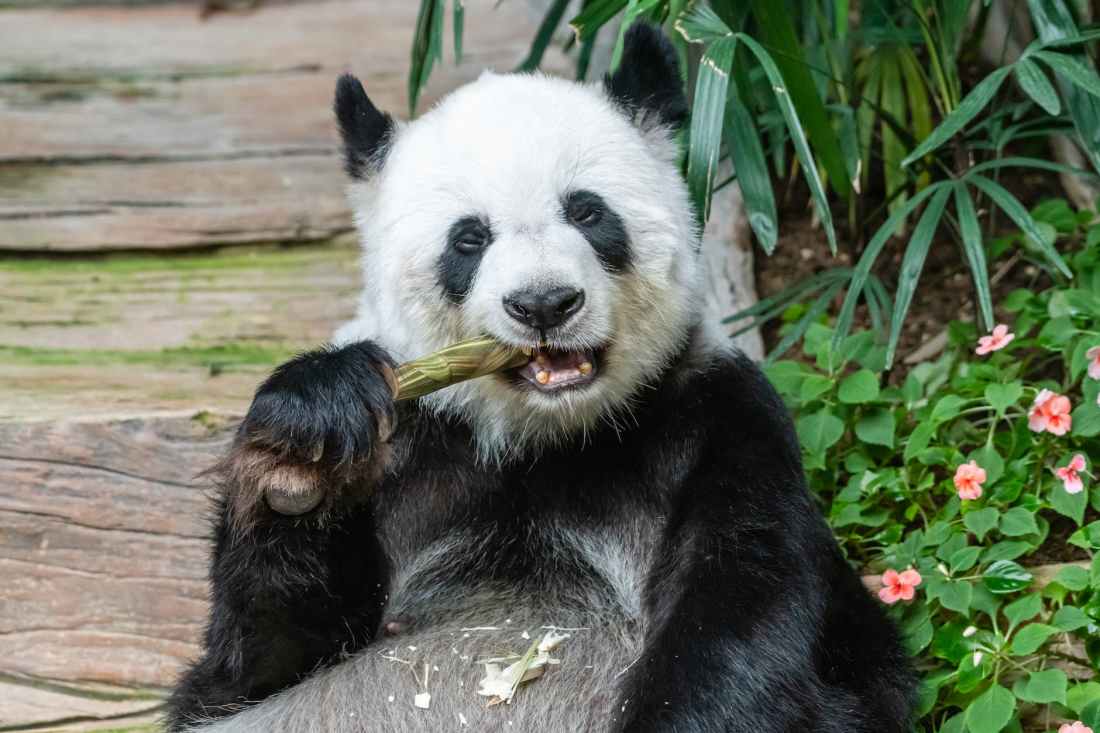
A Taste of News: Panda diplomacy ‘panda-monium’

As many in my direct circle know, I read quite some news. I try to mention at least once per day that I read something in the news, casually, in a conversation. And since commentary and reviewing is something else I like to do, I thought of starting a series where I write my thoughts about an article I read. A lot of them will be related to China, since that is one of the topics I follow most closely.

Panda Diplomacy Might Not Be Dead Just Yet

New York Times

While working at the embassy a couple of years ago, the Netherlands had the great luck to be receiving the first pandas ever from the Chinese government. Now I do not have a lot of love for zoos, and I also do not have a lot of love for pandas.

I find it somewhat baffling that China took the panda, an animal that eats bamboo because it is too lazy to hunt, as its national animal. I also remember seeing pandas 15 years ago and the small ones had some attractiveness because they also move around a lot and seem like regular cubs being cute while doing dumb stuff. However, the adult pandas really reminded me of the adult couch potato. Especially since they just collected the bamboo remains on their chest.

A quick Google search on why the panda is China’s national animal turns up something about it being a symbol for peace and friendship, perhaps because they also have dificulty mating, and the black and white representing Yin and Yang. This sounds like something a consultancy company would write, and there is possibly some truth to it, but it also sounds quite questionable.

So the fact that this animal is not only beloved in and outside of China but also useful for actual diplomacy amazes me. I remember being sceptical when the Dutch pandas were arriving in this newly built enclosure, that also won a prize for being the most beautiful animal enclosure even if it mainly resembled a Chinese temple, and supposed to bring in all this new business. And a while later I read an article vindicating my suspicion that the Dutch are not brought to the east of our country that easily, although the zoo director still defended his decision to bring the pandas to the Netherlands.

Besides the fact that pandas need highly expert care, the other thing that surprises me does not scare people away, is that they are leased. Cubs and the pandas are to return to China, as the article mentions is happening to the US pandas. I guess in one way or the other, pandas are a bigger attraction on that side of the world, maybe because they are more connected to larger wildlife or simply because there are more people for the amount of pandas available.

I think it shows how effective some aspects of Chinese politics are at blending official and informal matters. How suddenly the Chinese Communist Party can influence your enjoyment of your zoo visit.