Travel tidbits: Shanghai

Having traveled in China and Taiwan for the first time since 2020, I have some thoughts. The past 4,5 weeks showed me many things that remain the same, have changed hugely or did not notice as much before. I will put some of these into words in my next few posts.

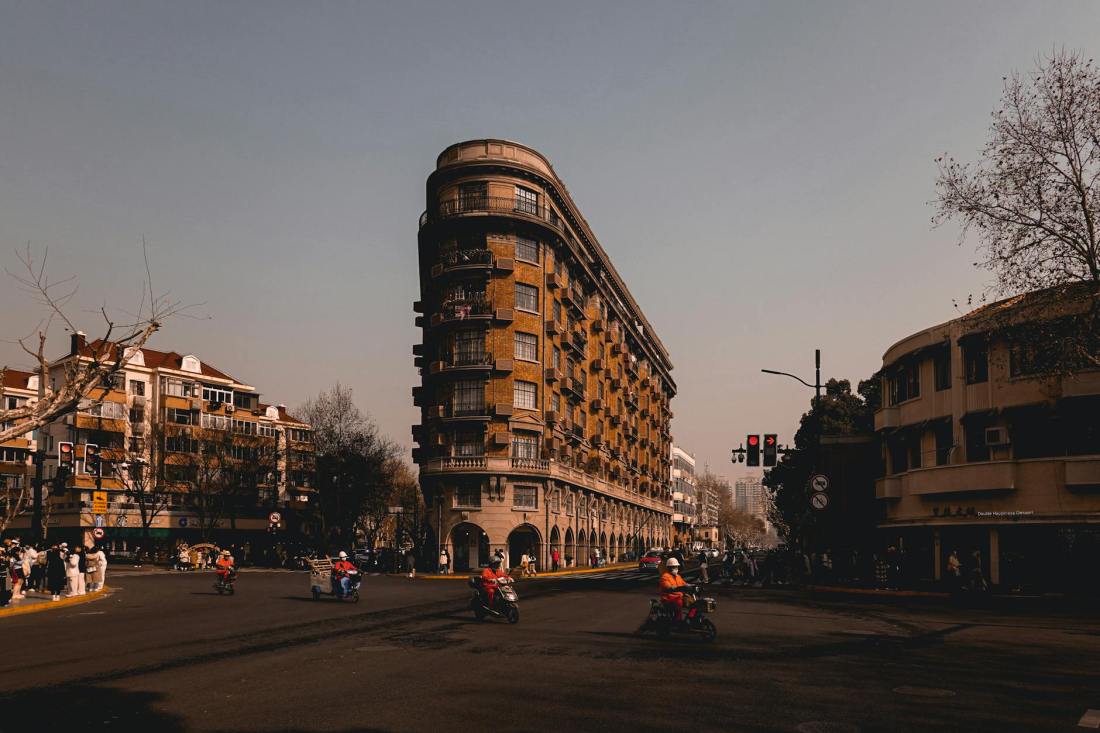
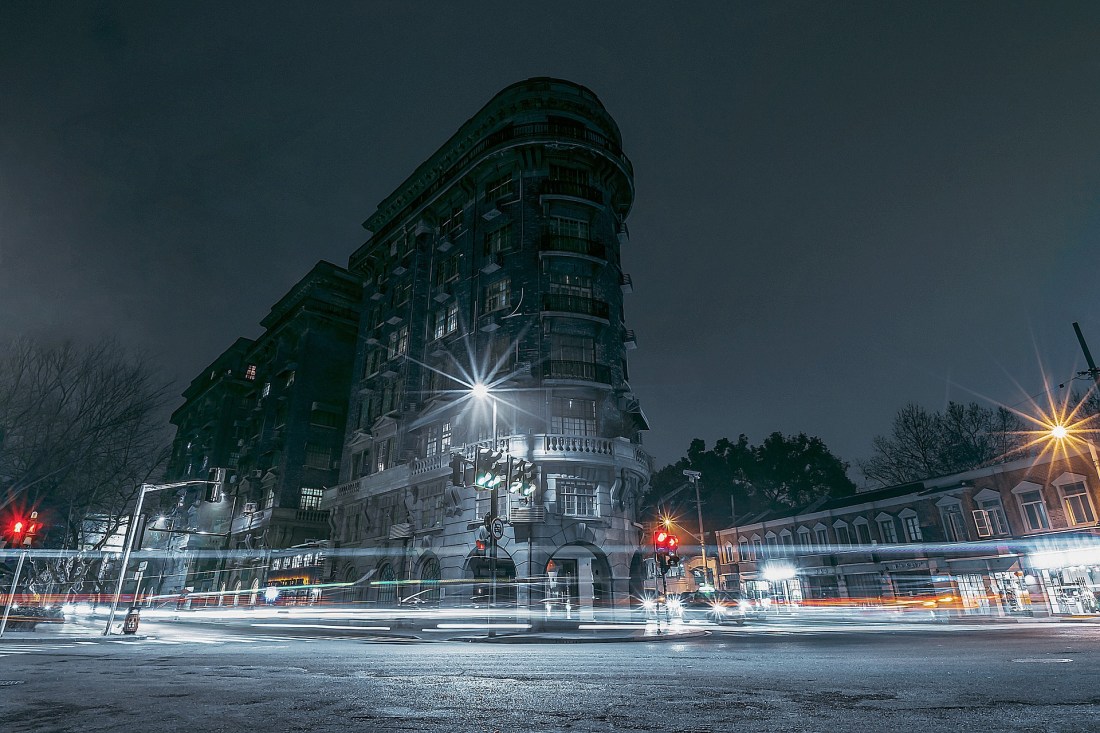
When I moved to Shanghai, I ended up quite liking the city but not loving it as I did Beijing. Returning to it this year, I appreciated its qualities a lot more, although I have reservations about its future as well.

As a focal point for international business, Shanghai feels more relaxed and in a sense ‘less Chinese’ than many other cities. Compared to the increased focus on security in Beijing, the difference was even clearer this time. There were foreigners on the streets quite regularly, and we even saw a group of them on a city tour of some kind.

Although I knew it, I was still surprised at how little I recognized of the city. The street names rang familiar, but the buildings and actual restaurants and shops were all replaced. It is weird to self-doubt your memory as you walk around, when some key buildings still exist but everything around it changed. Or did it never even exist?

Going around the city, I did feel the city’s fabric actually being partly redesigned. I took a look around the neighborhood where I used to guide food tours, and it was totally closed off. Surprisingly, the prison there (Hongkou District), seemed to have expanded, although I did not check if it is on the map now (it was not on a Chinese map before) and maybe it has gotten a different purpose, although the thick walls and razor wire ensured a not-so-friendly impression. The actual houses though, caleld Shikumen in Chinese, were all closed and any entrance gates fully sealed off. It made me kind of sad to remember the hustle and bustle that used to be around here, the good food and snacks that will be impossible to get here anymore.

And this was not the only neighborhood in this state. Another Shikumen around Yu Garden was in the same state. I understand wanting to renovate the areas or possibly redeveloping them to make room for highrise to create more housing. However, seeing the state of China’s real estate market I am doubtful that this large-scale development will end up profiting the general public. It seems more of it is destined for commercial use, judged by information on the tarps at Yu Garden, which I do not think is a good trade-off for the city, nor its residents.

Besides these old parts being closed for redevelopment, there was another shopping mall I used to go to that was completely derelict. It looked like it got flooded or otherwise damaged, but still accessible and on the maps as well. Seeing old photos of it gave me an especially melancholic feeling. So there were some nice surprises about Shanghai, but also some worrying developments pointing to its future. It seems to have retained a bit more of its character, but is still going through plenty of change.

Travel tidbits: Beijing

Having traveled in China and Taiwan for the first time since 2020, I have some thoughts. The past 4,5 weeks showed me many things that remain the same, have changed hugely or did not notice as much before. I will put some of these into words in my next few posts.

First, I will make a comparisons between the cities that I went to and the cities I remember. And of course, the most prominent one among these is Beijing.

Having lived there for almost 3 years, I have a certain soft spot for it. The convenient grid-like structure, while still being able to wander around in the hutong alleys. Its megalomaniac official buildings that exist next to ramshackle or improvised architecture. The mix of old and new, a certain liveliness and rough personality that the city exemplifies.

Thus, it was quite shocking to realize how much of it changed. Gone are the food stands on the streets, everything is in a little shop. Worker’s Stadium is completely cleaned up without any clubs or drunk people hanging out near it. At one entrance there is a Michelin-star restaurant, quite the opposite of how it used to be. Gone are many dirty and messy corners in the city centre that would contrast with the glitz and glamour of the malls. Now everything is commercialized, shiny and new. How could you want it any other way.

Part of the hutong alleys remains the same, luckily. The redevelopment seems to be more focused on actually improving living quarters, than bulldozing anything that seems old. The quiet of the hutongs, compared to the noise at the big boulevards is still immediate and remains a huge contrast. The splendor of highlights such as the Forbidden City, Summer Palace and Great Wall is not diminished, but the city itself seems to have been reeled in. The metro has guards actively patrolling and commenting on behavior. Every ticket needs to be booked on your passport or ID. There are noticeably less foreign faces on the streets.

If I seem overtly disappointed, it is probably nostalgia speaking. I am not saying Beijing is not interesting or special anymore. It is just a whole lot different from how I remember it being. There is a reason I used to come back to Beijing that often when I already lived in Shanghai. I am not sure there are as many reasons now for me to keep coming back.

Suddenly it is okay to be cliché

The holidays are the peak of cheesyness. Once Christmas comes around, things you normally do not want to be near to suddenly seem charming and cosy. This light veneer covers the few weeks around Christmas and the few days afterwards feel weirdly bleak. New Year’s does not have the same cosyness and atmosphere attached to it. Rather, we are all reminded of goals that are more or less realistic we will hold ourselves to. 1 January holds a strange place in our hearts, a date to start something new but at the same time nothing really changes.

So let us think back once more to those magical days filled with things we only accept around Christmas. An incomplete list:

  1. Stars on trees. Or generally ornaments in trees. Tacky Christmas balls, shiny tinsel, fake snow, anything that is bad for the environment.
  2. Christmas stables. Real ones, wooden ones, silhouettes, dolls, even with actual people and animals (though no real baby please).
  3. Sleighs, especially the big ones with one or two horses in front. The fact that I have never ridden one probably does not help.
  4. Sleighbells. To be honest, after hearing Christmas music for multiple weeks my tolerance is almost at its end, but it remains thoroughly charming for much longer than it should.
  5. Church. I get this weird nostalgia for attending mass, in a beautiful church with this friendly priest and all these kind and warm people. Not that I have not been disappointed enough times in real life.
  6. A big piece of meat as the centerpiece. In this time of promoted sustainability and less dependence on meat, somehow we have not evolved enough yet to get a Christmassy feeling without a bizarre amount of meat on the table.
  7. Traditional Christmas clothes. Whether it is a hat, an (ugly) sweater or the Santa Claus outfit. It all seems perfectly reasonable to wear these few days a year.
  8. Eating crazy amounts of (unhealthy) food. Normally I get side-eyed by most people around me when they see how much I (want to) consume, but not around the holidays. We all get to share in the fun.
  9. Asking for gifts in huge quantities. Christmas is a maximalist dream. Catalogues are being scrutinized to ensure no potential gift is left off any list.
  10. Lights. There is an inordinate amount of light everywhere around Christmas. Inside the house, outside the house, in the street, in the store. It will be quite impossible to find any darkness for a few weeks.

More small things I miss about China

Nostalgia only gets worse the further you get from when things took place. Granted, it has only been half a year since I moved back to the Netherlands. It is probably a mix of being afraid I am stuck somewhere I tried to escape and being asked about China a lot (I am an expert after all).

I am also again in a bigger city which makes me probably see the differences a lot sharper. So here is some other stuff I noticed I am missing.

  1. Feeling no remorse about ignoring people on the street who want to sell me something.
  2. Blending in with the crowd.
  3. Mobile payments being quick and easy.
  4. Big shopping malls with food courts.
  5. Being high and having a view of a sprawling city.
  6. Mountains.
  7. Parks with older people exercising and being way too good at tai chi, wushu or stretching.
  8. Chinese chess, mahjong or playing cards on the street.
  9. The variety of vehicles on the road.
  10. Zooming past people biking as fast as you can walk.
  11. Asking for something to get repaired and having someone come over the next day (even though it probably will not really help).
  12. Stores being open 7 days a week until 22.00 in the evening.
  13. Going to the newest restaurant because new stuff opens every month.

Conveniently, this is also a great way to remind myself of all the things I will be able to look forward to once I have a chance to go again. On the other hand, there were many things infuriating and frustrating about life in China.

Life in your own country just does not seem really exciting somehow. But I know very well that I am also very spoiled. Luckily, the good thing about having lived abroad for a while is being able to deal with spoiled people. Even if it is just yourself.

I remember that wanting to tell people the expat life has its glamorous moments, but in the end local life is largely the same anywhere. Something I should also tell myself now.