The Scoreboard: Jentry Chau vs. The Underworld

As everybody else on this planet, I have an opinion. As many people do too, I like to write about it. Share it generously. And I am excellent at keeping score (mentally), so I will try tallying up my fondness of things according to balance.

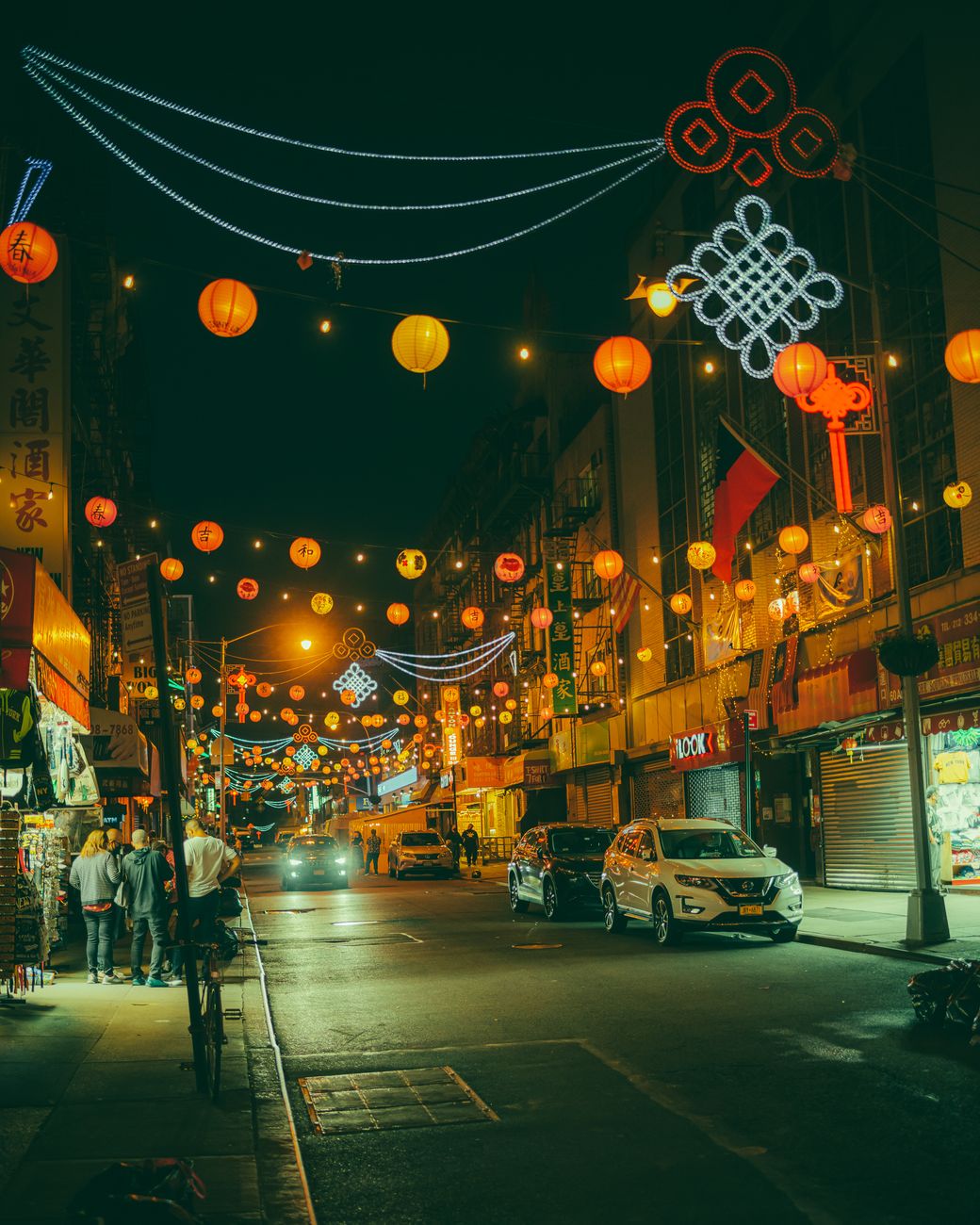
Jentry Chau vs. The Underworld

So-called western animation seems to be really taking off following Japanese anime popularity. Where Arcane is more of an example of really creating a new type of western animation that can rival with Japanese anime, Jentry Chau feels much more like a Japanese anime with some western elements.

This series seems to combine several standard anime and fantasy elements. From a high school girl being confronted with magical powers that she needs to control, to monster-of-the-week episodes, to a journey of self-discovery and healing. Throughout these story beats, Jentry doesn’t always make for the most sympathetic protagonist, but her ways of dealing with the things being thrown at her do feel very real. At the same time, things can verge un the unbelievable, especially how her grandmother keeps hiding things from her even though she sees again and again how disastrous the consequences are, and Jentry flipflopping a bit too quickly about how much her special powers are part of her.

Although the series starts (and ends) in Seoul, the themes and mythology are clearly Chinese. The Underworld is portrayed in its bureaucratic proportions and all creatures coming from this realm have Chinese names. At the same time, it manages to quite smoothly transfer to an American setting without these elements feeling too tacked on. Jentry’s relationships to the other characters can seem a bit unbalanced at times, but Ed, Michael, Stella and Jin manage to eventually become multi-dimensional characters with their own needs and powers.

In the end, the series offers a fun, though sometimes unbalanced, peek into what western-Asian animation could be. I rate it a not so scary but pretty good journey into the Underworld.
The Scoreboard: YATAGARASU: The Raven Does not Choose its Master

As everybody else on this planet, I have an opinion. As many people do too, I like to write about it. Share it generously. And I am excellent at keeping score (mentally), so I will try tallying up my fondness of things according to balance.

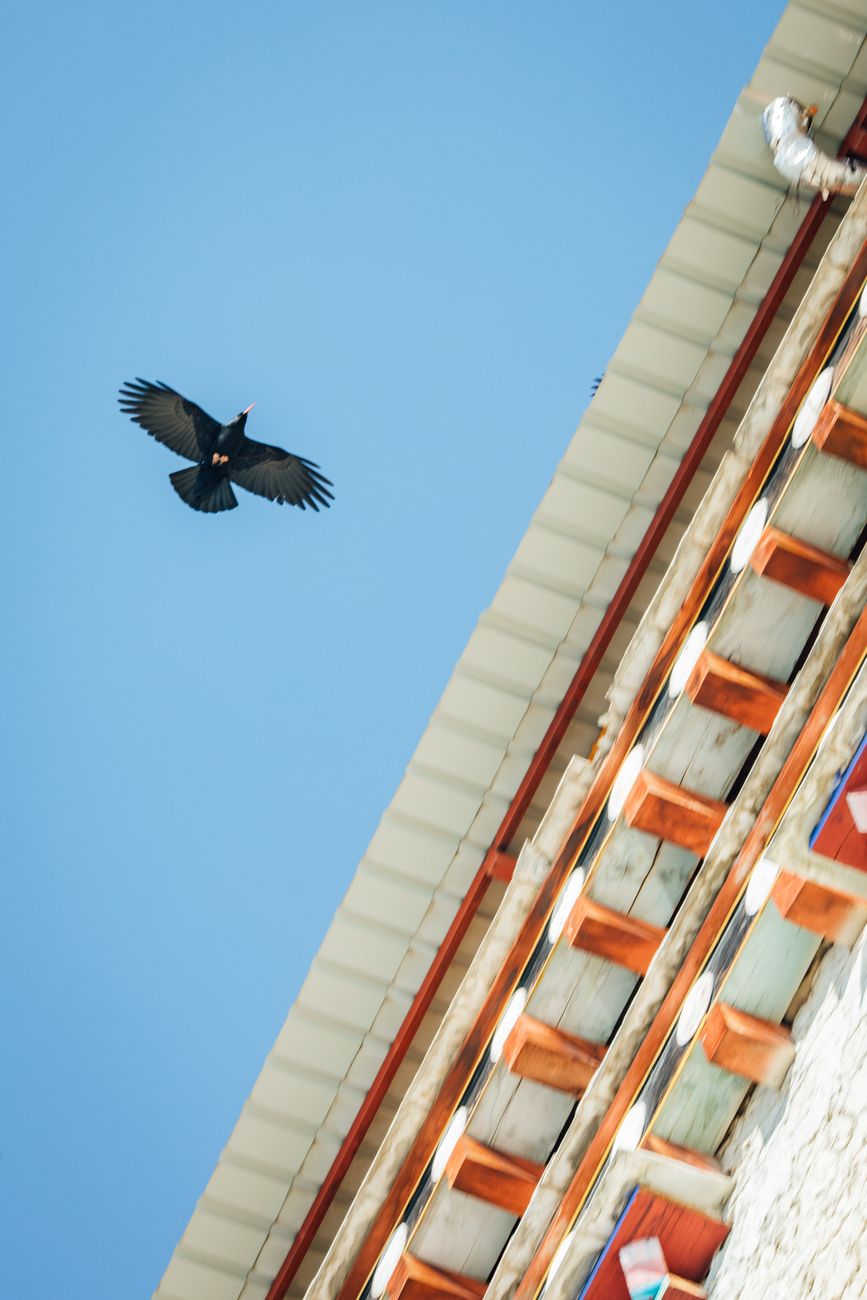
YATAGARASU: The Raven Does not Choose its Master

Asian folklore is endlessly fascinating, and this anime is based upon a creature I didn’t know yet. The Yatagarasu, a mythical three-legged crow that is apparently a symbol of guidance. And with all of the court intrigue going on in this anime, they do need a lot of it. The anime is based on a series of novels, of which this series adapts the first three, that is set in a world in which humans can turn into Yatagarasu. It also introduces the concept of a Golden Raven, a true Yatagarasu that is supposedly the true ruler and only comes in times of upheaval.

The first half of the series follows Yukiya as retainer to Wakamiya, the Golden Raven and younger son of the emperor, as the crown prince is supposed to choose his royal consort. The four women Asebi, Hamayu, Masuho no Susuki and Shiratama all have their own reasons to shoot for the title and the episode that depicts the prince finally making his decision, somehow manages to tie it all satisfyingly together. Not only does his final choice makes sense, the four women each make their own decision on how to continue their lives, spurred on by the prince’s action and the precious freedom he allows them in the situation.

The second half focuses on disaster beyond palace intrigues. A mysterious illness creates new encounters for existing characters and introduces new ones with their own histories and motives. It broadens the scope of the story satisfyingly, while further strengthening the bond between the brash Yukiya and the calculating crown prince.

Yatagarasu wraps up nicely, but makes it clear how expansive its world is. Beyond palace politics and more mythical mysteries, lies potential to see how their world interacts with modern-day Japan. I rate it here’s to hoping more novels in the series get adapted sooner rather than later.