A Taste of News: The ideal number

As many in my direct circle know, I read quite some news. I try to mention at least once per day that I read something in the news, casually, in a conversation. And since commentary and reviewing is something else I like to do, I thought of starting a series where I write my thoughts about an article I read. A lot of them will be related to China, since that is one of the topics I follow most closely.

Three Is Best: How China’s Family Planning Propaganda Has Changed

New York Times

It seems that I am currently entering the phase where children are top of mind. I have been talking a lot about people on my opinion of children, motherhood, family and whatnot. And the Chinese Communist Party is of course also still busy with this topic, trying to get a different result with the same tools as always. This is where you can put that famous quote about this being madness.

As an indirect result of the one-child policy, it has been very interesting to see how little fanfare the reforms have attracted. Even in my head it was still murky when the one-child policy was lifted, but having a feeling that it was in the 2010s. The exact year is 2014, which confirms to me that it happened so much more recent than it feels like.

I think the one-child policy was one crazy, bizarre experiment. Trying to reverse it seems like it is bound to fail. Although nothing is more fun than seeing the Chinese official lines doing a full 180 degrees. Adding a few extra kids to the family statue is top comedy. Seeing old slogans that say it is selfish to have more than one child almost seem they were a few decades to early to anticipate this shift. Seeing new slogans that say a family is incomplete with only one child, emphasizes how empty these words are when there is nothing to back it up. The same counts with state or family support. Right at the time in the Western world that we are almost fully certain the state will be more reliable than family, the Chinese government is calling to bet on the other horse.

At the same time, the absurdity of this propaganda effectively hides a lot of pain. Pain from families that did not have the right amount of children at the right time. The realization that it is not about the people, it is just about the numbers. In a country where millions of people work in factories, construction sites or on the field without any retirement plan and able to see their families twice a year if lucky, this is the situation in which more children are encouraged. In a situation where women are already being heavily underpaid, facing discrimination and sexism in the workplace and have hardly any choice but to become tiger moms so that their children can participate in the rat race that is life, this is the situation in which more children are encouraged.

At the moment, everyone can rest assured in the knowledge that the government will not go as far yet as they used to. And who knows, maybe it will lead to breakthroughs in research on male fertility which has mysteriously declined in recent decades. Maybe it will bring families together if younger people use old propaganda slogans to retort their older family members. Or it could be that the Chinese Communist Party suddenly sees the light and starts to make some systematic changes that will create an environment more conducive to having bigger families.

There is already enough weight put on the decision to get children. Without having to consider a government that may fine, applaud or demonize you, especially if they want a different answer from you ever so often. And what is maddening is that the traces will be removed. Your memory shall not exist, until it is convenient for the Communist Party. It is very selfish and egocentric behavior, just like you would expect from an only child.

A Taste of News: Fearing the family

As many in my direct circle know, I read quite some news. I try to mention at least once per day that I read something in the news, casually, in a conversation. And since commentary and reviewing is something else I like to do, I thought of starting a series where I write my thoughts about an article I read. A lot of them will be related to China, since that is one of the topics I follow most closely.

AI Game Mimicking Nosy Relatives Takes China by Storm

Sixth Tone

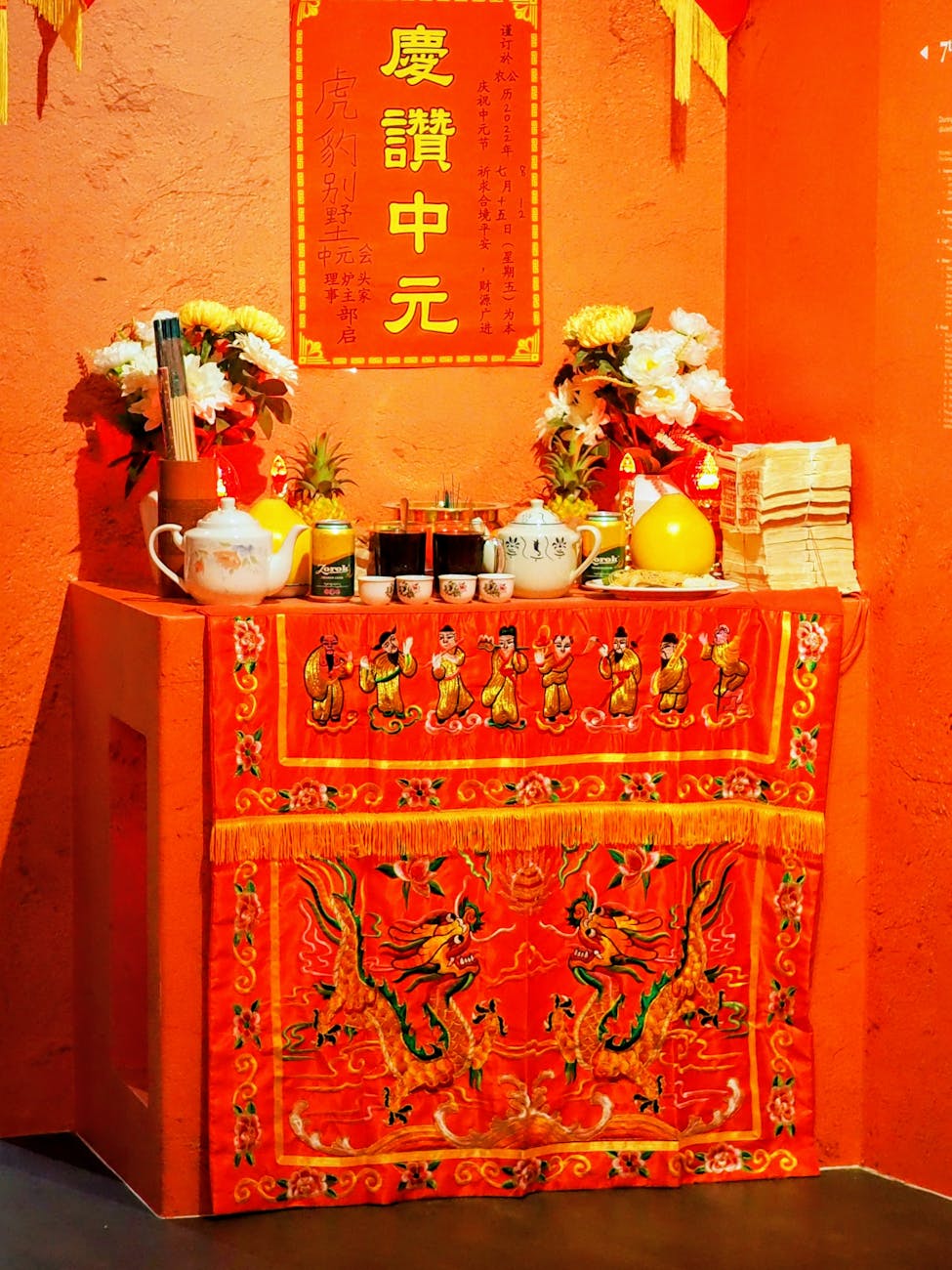
Lunar New Year took place last weekend. Happy year of the dragon! May you prosper! The gods will bring you luck and happiness. Which of course means a stable job, a spacious house and a lovely family.

Festivities make for special times. I can immediately recall which time was the most memorable of all the New Years spent in China, but today we are not talking about that. This news article was recommended to me on Facebook, one of the few organizations I still follow on the platform, and had an extraordinarily high number of likes. Unsurprisingly. I think Chinese New Year is most well-known for a few things: the great number of people that move around the country (the infamous greatest migration worldwide), the great number of dishes you will consume during the holiday and the great number of annoying questions your relatives will unrelentlessly pound you with.

I think this is one of the cases where you cannot win, unless you are young and only need to collect money from a red envelope. If you are a student, you need to get good grades and find a partner timely (but big minus points if it seems you are sleeping around or dating multiple people, that is not proper behavior), if you have started your first job you should not argue with your boss and find a partner timely, if you have a partner you should buy a house and get a kid, if you have a partner and a house and a kid you should make sure it is well-behaved and getting good grades. In other words, the comments are endless. And this game must be difficult, excruciatingly so.

Because there are somewhat extraordinary pressures on Chinese returning for the new year to their families, it is no wonder that it is an endless source of different societal behaviors that may be more or less true on a larger scale. Children hiring partners online to take home has been a big story for a couple of years, children not going home is starting to become a bigger story to emphasize individualism and assertiveness, traditional costumes being replaced by cheap uniformity bought online. I am surprised I am not reading more about certain foods being replaced but I guess that is the thing most people probably can agree on to keep as traditional as possible.

I always find it fascinating when people seem to be more concerned with how things should be, than why things are a certain way. And what I think the screenshots of this game show very well, is that it is always indirect. This is the network of guanxi at a microscale. Everybody represents someone else, besides themselves. It is not only about their own hopes, but the sense of responsibility they feel towards other family members to put somebody on the spot.

Although I doubt this game will be played by those who would benefit the most from some self-reflection, perhaps it can serve as a practice to those who need to submit to this ritual every year. Maybe you find some new appreciation for your actual family members. Or discover that they are even worse than AI could imagine.

A Taste of News: Chinese female roles

As many in my direct circle know, I read quite some news. I try to mention at least once per day that I read something in the news, casually, in a conversation. And since commentary and reviewing is something else I like to do, I thought of starting a series where I write my thoughts about an article I read. A lot of them will be related to China, since that is one of the topics I follow most closely.

China’s Male Leaders Signal to Women That Their Place Is in the Home

New York Times

Being a Chinese woman has never seemed easy to me. When I lived in China, I got a taste of it in some situations and it does feel like the attitude switches between extremes and also clear age shifts.

Reading that there is more emphasis from senior Chinese leadership on women’s roles in the family seems to me similar to the movement of the ‘tradwives’. It feels in many places there is a wish for stable, clear roles that make you feel like life is a little less complicated. At the same time, the Chinese characteristics are clear in that there is a distinct top-down dynamic. Of course leadership is in the front seat when they want to ensure that everyone aims for the right direction.

At the same time, I think it is often overblown how much the leadership influences these kinds of developments. We see that Chinese women have become more and more independent, even subverting expectations about birth preference in some cases.

And even though it may seem the party is actively steering people, it is definitely not a one-on-one influence. Sure, I also got questions if my parents were not apalled at the fact that I do not want children, and I got my fair share of comments that I should not be single in my late twenties. At the same time, Chinese people are resourceful and practical. If you are an intelligent and capable woman, you will generally have opportunities to capitalize on that. So it will be interesting to see if this government stance will develop into something more tangible like an actual campaign or if it just remains a message for the general public to hear.

An incomplete list of things that the whole world shares during celebrations

It is the first day of the year of the ox. It is also Carnaval in catholic parts or Northwest Europe. And of course Valentine’s Day is coming up. I was just thinking about the ways everyone celebrates differently, but some things keep coming back. An incomplete list:

  1. Good food. I was talking about this a while back with friends and we determined that the one holiday in China which does not heavily involve food is probably Tomb Sweeping Day. Judging by the name you can probably guess why. That said, most other celebrations are mainly about the food, and the same actually counts for many Western holidays. Truth be told, chocolate eggs do not make me drool as much as mooncakes or zongzi, but I will take what I can get now.
  2. Family fights. I talked more about this in this blog. One of the best New Year’s stories I have.
  3. Family reunions. We know we will fight and have to listen to aunts and uncles complaining about everything, including our own accomplishments, but we always suck it up and just do it. It is funny how much of a change blood and the knowledge that it only happens once a year makes for our toleration of others.
  4. Decorations. I like decorating as much as everyone else, but if you really think about it does not make any sense. Why do we have all this stuff which we show to everyone once a year, but it inappropriate the rest of the year. I actually do get those Chinese Christmas stickers that are not removed.
  5. Annoying kids.
  6. Unrealistic ads.
  7. Unrealistic expectations.
  8. Dressing up.
  9. Travelling distances to gather. I am lucky to not have had the need or space within the country to travel very far, but it happens. On a large scale. Voluntarily.

If you think about it, we are all united in making it hard for ourselves during a time we are supposed to relax and enjoy. We not only pressure ourselves, but also each other to be happy about situations we normally would not put ourselves in. That is a universal holiday message.

Familiar flavors: Hotpot

With the holidays right around the corner, food and dinner finally get the attention they deserve in the West. Not entirely coincidentally, that was what a big part of my daily life revolved around in China. And even though there is limited family gathering this year, there have been plans to do hotpot. Which will be great, but just not the same.

Hotpot

What is it?
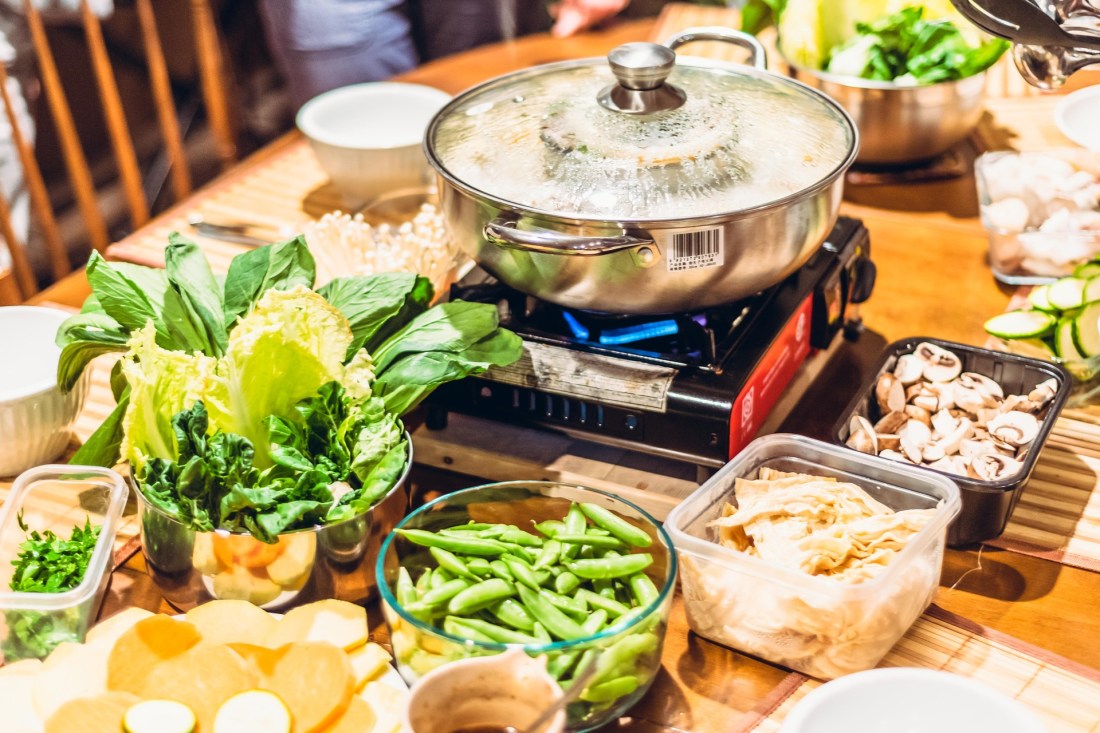
Simply said, you boil raw veggies and meat in a soup. Does not sound too special or appealing, but it is great. You have many different kinds of soups, really the cornerstone of hotpot. Additionally, you have the fun of literally cooking your own food, and enjoying some nice soup on the side. Sitting around a big hot pot of soup really gives you warm fuzzy feelings (also because of the warm food entering your belly) and you can basically eat anything for hotpot. You combine hotpot with a dipping sauce most often sesame sauce (the best, one and only I will recognize) but especially in southern China everyone makes their own concoction out of different options.

When to eat it?
If we believe haidilao, a big chain, then 24/7. But normally, hotpot is eaten during winter, most often for dinner or as a very elaborate midnight snack (hence the 24/7 opening times). Rules are there to be broken of course so summer time makes for a nice hotpot opportunity as well. Nothing can rival winter hotpot inside and winter outside though.

Anything bad?
Some hotpot soups can be very spicy. I remember I went to Sichuan with a couple of friends and I literally could not taste anything I fished out because the soup made my whole mouth numb and tingle. Otherwise there are no real drawbacks to hotpot, you can avoid anything you do not like that others put in there. It can only be a shame if some things are overcooked and then only found after they have disintegrated.

Where to get it?
Haidilao and Xiabu xiabu are probably the 2 most well-known chains. Xiabu xiabu is more of a fastfood chain with rows of individual, 1-person hot pots. Haidilao is on the other end of the chain, not-quite-fine-dining hotpot but famous for its good, (slightly creepy but) very friendly service, long wait lines (but you can do your nails while waiting so…) and high quality products. And of course there are many other places to go to for hotpot as well, although your mileage may vary.

How much do I miss it?
About 8.5/10, especially now it is winter. There is hotpot in the Netherlands, but it is far from my home and probably quite expensive. And it is also about the convenience of hotpot, the fact all the veggies are pre-cut and served directly on a plate, then quickly going into your mouth. And lastly it is also about the company you share the table with. So here is to hoping 2021 will bring the real stuff!

Learn more

Tourists with Chinese characteristics: fanatic families

Having traveled a lot through South- and Southeast Asia, I have seen many different kinds of Chinese tourists. Being on the road this Chinese New Year, I was again reminded of their peculiarities. One of the most common types is the one described below\.

Who?
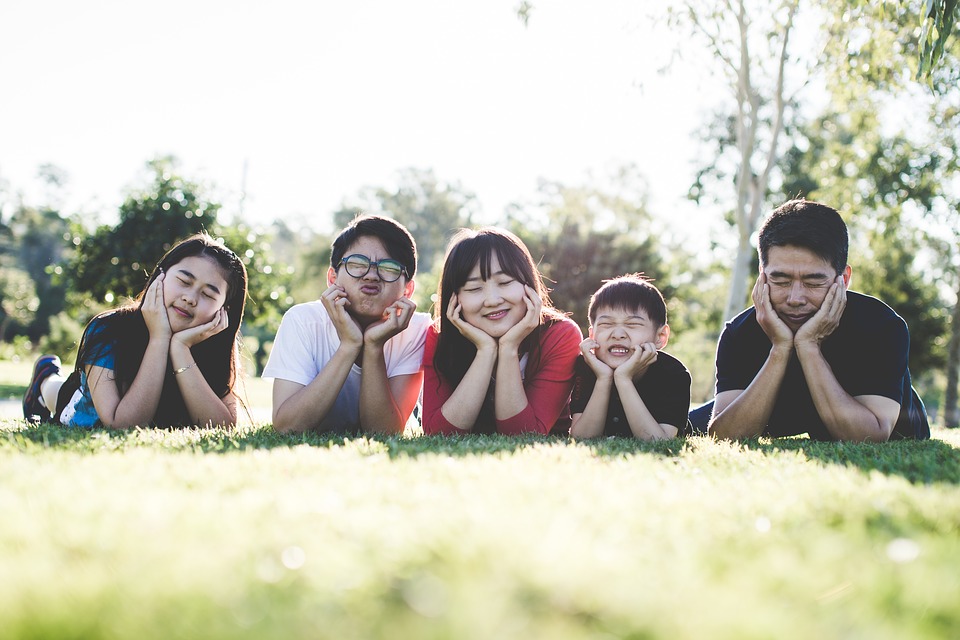
A mom, a dad, 1 or 2 kids (byebye one child policy) and often some extended family members like grandparents.

Where?
Most families obviously have a limited program. Chinese families often even more so since they focus on the main attractions.

Why?
This is probably the beginning of family life and they are just settling in. With the kids still being small they get in for free at most spots. Everyone can relax a little bit, see some different things and meet new people.

Their thoughts?
Mom: a combination of tired, worried and excited. One of the few holidays need to be spent happily with family. But it is hot, and there is so much to take care of. Luckily dad carries most of the snacks and drinks. Are the kids hungry? Are they not getting too tanned? Where is dad anyway? Will I be able to buy all the souvenirs I promised my co-workers to bring back? This bird is so pretty, I really need to take a photo of this. Our kids should really learn more about nature now that they have the chance. Which sightseeing spots have we not covered yet?

Dad: this is not entirely how I pictured life with a kid. A heavy photo camera dangles on my belly, which is also starting to accumulate some ‘baby fat’. God is it hot here. Wiping my forehead while looking for some shade. This garden is really nice and the kids are playing outside. Sitting down this suddenly feels eerily similar to any other time I go out with mom. Waiting, looking and obeying. Mom motions you to take photos of something. What will be for dinner tonight?

Kid(s): so many different things! I can jump from the tree to the stairs. I want to carve out my name in this tree! And in the stairs! And in the temple! Where is dad? I want food. Mom is so annoying taking her time. When are we going home?

Grandparent(s): I am getting too old for this. But it is really nice to see the kids play. Do they drink enough though? I can tell all my friends in the park once I return that my grandchildren already went abroad.

My thoughts?
Families rank about medium on my irritation/frustration scale. Of course it depends on the age of the kids. Babies are terrible when they cry or excrete bodily fluids. When they talk and walk, kids often do too much of both. Grandparents tend to walk too slow and skip lines since they can often get away with it. Moms often take pictures of everything all the time. Dads mostly just look sad. But for the average backpacker, Chinese families are quite avoidable. Also, it looks quite exhausting to be in a different country with a group that seems to have mixed goals. It really turns fun into a verb.

Quiet, please!

So, I already mentioned China is not the most quiet place ever. Another train trip, which are the best way to submerge yourself in a full Chinese experience for several hours, confirmed this again in another way.

I have talked in lengths already about being single in China and some expectations in general that we as societies seem to have about relationships. Moving past that, you obviously see many differences in child-rearing and education between countries.

Something that amazes me all the time when I see Chinese kids, is in how much they are allowed to do and actually encouraged to do. I have seen kids do things which actively inconvenience their parents, running around the table or stomping on the table for example, and them just somehow being totally cool about it.

Now in the good sense that I am a stranger and generally would have no wish in meddling with other’s affairs, I of course keep my mouth shut. However, in a closed-off space like a train, these kids are bound to also influence your personal experience.

Ignoring children crying, which though very annoying is also somewhat inevitable and impredictable, there is something that is sort of actively encouraged. And that is TALKING VERY LOUD.

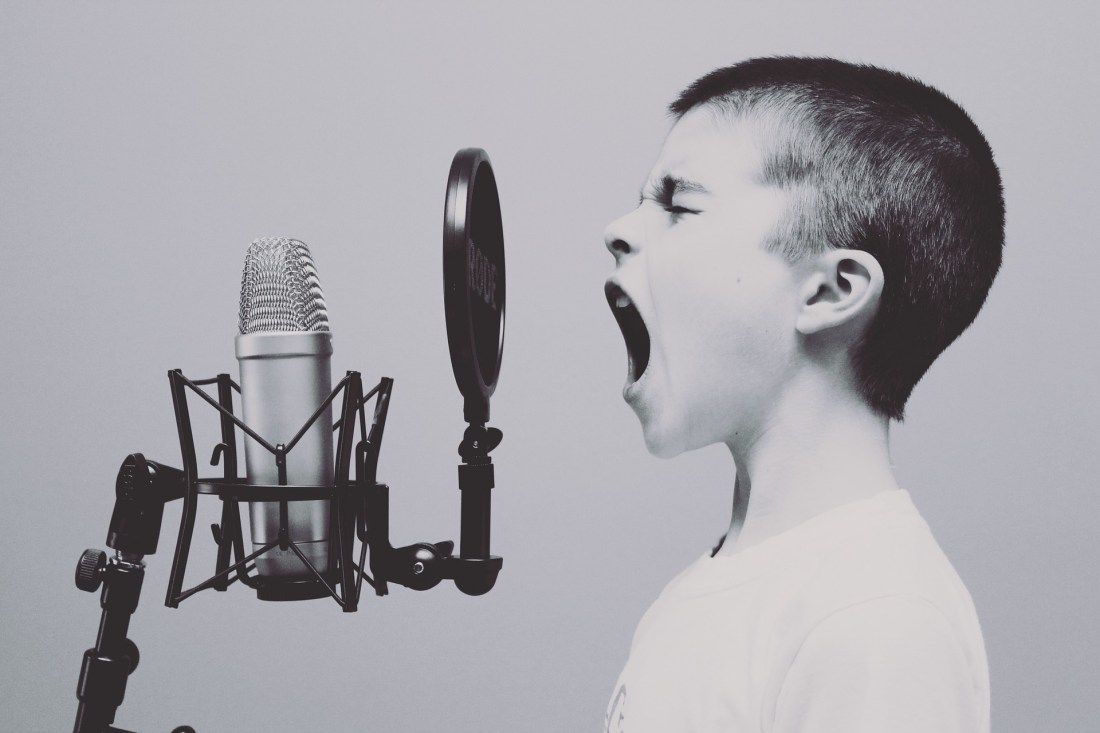
Now that I think about it, I also experienced this in a Dutch train once before. In both cases, it was almost the same situation. A grandmother and a kid (boy) of about 5 years old (not accurate). The boy talking very excitedly like “I AM GOING TO SHOOT YOU BECAUSE I AM A COWBOY AND VERY COOL.” And the grandmother replying something like “YES YOU ARE MY YOU ARE SUCH A HANDSOME COWBOY!”

In the Chinese situation, there was also a grandfather who quickly cleared the premises, as did I. It could of course be that the grandmother is hard of hearing and needs to talk very loudly to the kid. And they are both immune to social cues. So now everyone else is also going to talk very loudly and no-one can hear each other anymore.

Well, if you think I am talking too loudly, then you know it is all the kids’ faults.

How to get old really quickly

No, not your Facebook timeline. Nothing happens on there anyway, especially when you are in China.

So, a while ago I had a talk with a friend of mine on relationships, age, marrying children and such a future that many people envision for themselves. We already both agreed it would not happen in our foreseeable future, you can read a previous Dutch post for more on that, but there are of course different views on the course of life. Specifically, in China where many people seem to be 5-10 years younger than they are. So this results in seeing women walking around your age with babies or children of age 4 or even older. And parents who would seem quite old with a little kid, but quite young again when they turn out to be the kid’s grandparents. It was not for nothing that I had the idea you could only become a grandmother or father once you were over 70 years old.

But not only do people tend to get kids a bit earlier here, there is more pressure earlier to get kids too. My friend and I based it off a timeline, in which people’s views change quite quickly and radically within a few years. It basically goes like this:

1.  18-21 years old

You are still young and innocent, studied long and hard to get into your university and need to focus whole-heartedly on your studies. Do not waste your time on such frivolous activities like dating or partying. You are still young. You will find love once you are ripe for it.

2.  22-24 years old

Okay, you are done with university, found a good or otherwise stable job. It is now time to actively think about the next steps. You cannot stay alone for the rest of your life of course. And your parents and family is also not getting younger as years pass by. Find that partner you want to stay with the rest of your life and make your life complete.

3.  25-27 years old

You have worked for a while now and probably saved up quite some money. What are you going to spend it on without spouse and a house? You are missing out and very quickly, your family will be too. Youth is fleeting and your parents’ worries will only increase. Is that what you want them to feel?

4. 28-30 years old

It is too late. You are old and need to settle down as soon as humanly possible. You might have a good job, a fun life and be an interesting person in general, but it just does not cut it. Do you not want your parents to know their grandchildren? Who is going to want you at this age? Who will take care of you once you are old? In short, you are a failure.